

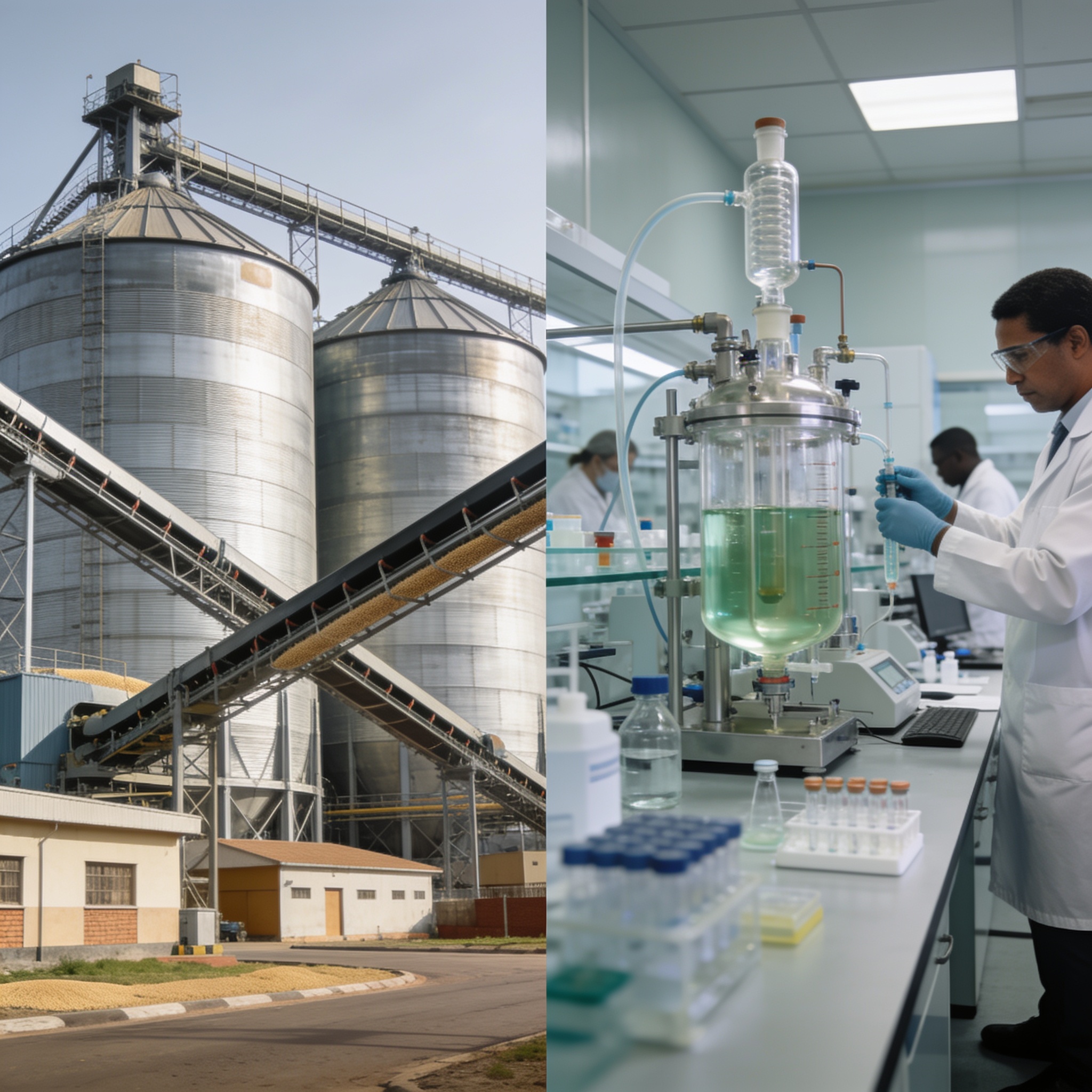
Zimbabwe is poised to modernise its grain storage network and lay the foundation for domestic vaccine production through a new cooperation pact with Belarus. Announced this week, the initiative targets Harare’s aging silos and includes an immediate vaccine supply component, followed by technical studies for a local manufacturing facility.
Food Security Boost
The grain modernisation project will focus on upgrading Harare’s storage facilities to cut post-harvest losses and expand reserve capacity. Belarusian specialists are expected to provide technical support, equipment upgrades, and training for local operators. This is a direct response to persistent food security challenges, as improved silos can stabilise supply and reduce seasonal price swings.
Vaccine Manufacturing Roadmap
On the health front, Belarus will supply vaccines to Zimbabwe in the short term while both sides explore the economics of building a vaccine plant locally. Such a facility would be a game-changer for Zimbabwe’s pharmaceutical sector, potentially serving the Southern African region and bolstering pandemic preparedness.
The agreement reflects a broader shift toward bilateral partnerships that prioritise technology transfer and self-reliance. For Zimbabwe, it means fewer grain losses and greater control over essential medicines—two pillars of national resilience.