
Zimbabwe begins October in mourning after a fatal Marondera helicopter crash
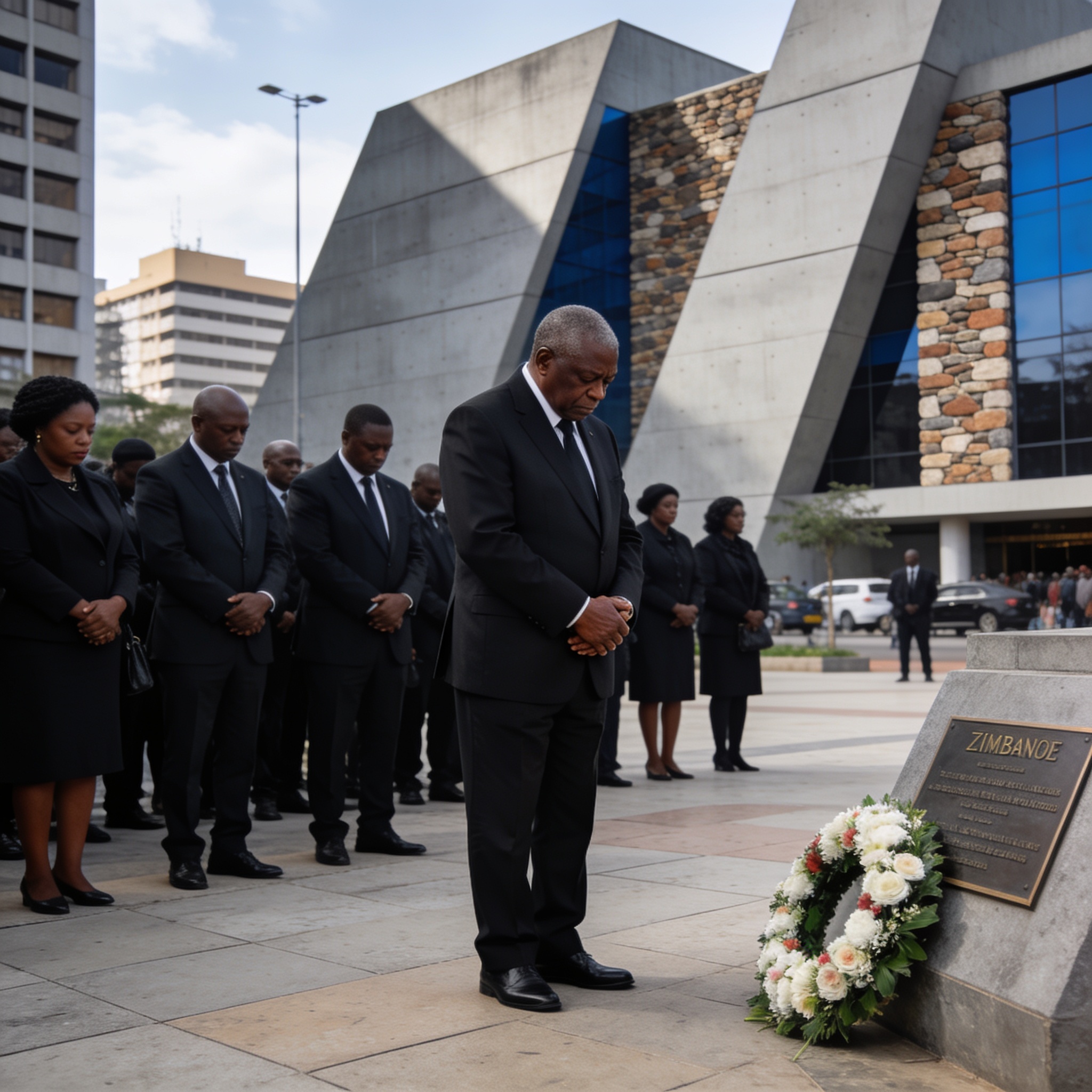
A private Bell 430 helicopter that was travelling from Chikomba to Harare came down near Marondera Rural on Wednesday afternoon, killing all people aboard. By Thursday morning, the tragedy had become one of the most discussed events in the country, combining grief, questions about transport safety, memories of a controversial businessman, and continued pressure on government to keep basic services running.
Minister Tino Machakaire confirmed the identities of five victims: businessman Wicknell Chivayo, his wife Lucy Muteki, an aide named Senelisiwe Magagula, and two pilots, Captain Kelvin Soda and Captain Courage Mutavirwa. Some initial official accounts had mentioned six occupants, highlighting why the Civil Aviation Authority and forensic teams are still working through the evidence before reaching public conclusions.
President Mnangagwa highlights personal ties while offering condolence
In a statement released on Thursday, President Emmerson Mnangagwa described the loss as shocking and painful. He said Chivayo and his wife had been returning from Gandami in Chikomba, where they were building a rural home and family community project. The President linked those plans to national goals on rural development, investment and community upliftment, presenting Chivayo as a private-sector figure with ambitions beyond personal wealth.
The most politically significant line in the tribute came when Mnangagwa said Chivayo had shared some of his development plans with him on Tuesday, after Cabinet, one day before the fatal flight. The disclosure places the late businessman inside the country’s highest political and economic conversation, and it may deepen public debate about the relationship between state circles, private money and procurement.
A complicated legacy: generosity, spectacle and scrutiny
Chivayo was widely known in Zimbabwe for publicly funded gifts, luxury vehicles, cash presents and appearances with musicians, athletes, church leaders and politicians. Football club Highlanders said they had received a US$250,000 cash support package shortly before the crash. Musician Jah Prayzah and his wife Rufaro Mukombe announced that their wedding scheduled for Saturday, 3 October, had been postponed as they grieved.
For many people, those acts created a warm image of patronage. For others, the same visibility raised difficult questions. Why did a private entrepreneur appear to operate with such access to political leaders, public contracts and regional figures? Some critics have linked his public profile to disputes over government purchasing and allegations of preferential treatment. Those matters remain part of public discussion rather than settled judicial findings. The crash does not erase them, and it may sharpen calls for transparent investigations into past procurement as well as aviation safety.
Development agenda moves forward despite grief
Outside the crash, several Zimbabwean policy and business stories show that the country’s agenda remains focused on climate resilience, infrastructure, agriculture and digital expansion.
- Farmers and local authorities are being told to prepare for an El Nino-linked dry season. Government has promoted a six-pillar drought response, including grain reserve planning, water harvesting, soil conservation and community savings through village business units.
- The Tobacco Industry and Marketing Board is expected to make environmental, social and governance scoring part of future contractor licensing. The step follows a strong 2026 crop and aims to connect market access, land-use discipline and social safeguards.
- Rail reforms are still a major economic theme. The National Railways of Zimbabwe and development partners are discussing ways to lift freight volumes from current levels toward a much larger potential market, including corridors that could attract private investment.
- Climate finance remains a pressure point. Experts estimate Zimbabwe has about eight billion dollars in unfunded green infrastructure needs between 2025 and 2030. Some analysts propose a green sovereign bond facility, while others look to distributed solar projects as a possible export revenue channel.
- In telecommunications, Dr Cosmas Zavazava, Zimbabwe’s candidate for a director-level role in the International Telecommunication Union, has emphasized digital transformation, connectivity and inclusive policy work as national priorities.
- In business technology, Econet InfraCo has highlighted the use of artificial intelligence to reduce diesel use at telecom towers, an area where fuel costs have become a major burden.
Regional and sports briefs
Several other items from the day also connect to Zimbabweans abroad or national pride. Lawrence Mudzinganyama, a Zimbabwean businessman facing multiple charges in Randburg, South Africa, was reported to have been granted bail with strict conditions, including reporting requirements and a ban on contacting witnesses. In football, Premier Soccer League authorities moved to charge Scottland FC over an ineligible player allegation in the Chibuku Super Cup, while the Young Warriors beat Mauritius 2-0 in the first leg of their 2028 Olympic qualifier.
What Zimbabwe should watch next
The immediate next steps include formal identification procedures, investigation of the crash cause, and coordination of funerals and family support. The political aftermath will likely depend on how openly authorities handle both the accident and the questions that have long followed Chivayo’s relationship with power. For now, Zimbabwe’s October news cycle is a reminder that tragedy, accountability and development are rarely separate stories here; they travel on the same roads, through the same institutions, and toward the same public expectations.