
Wicknell Chivayo Dies in Marondera Helicopter Crash as Zimbabwe Faces Questions Over Wealth and Accountability
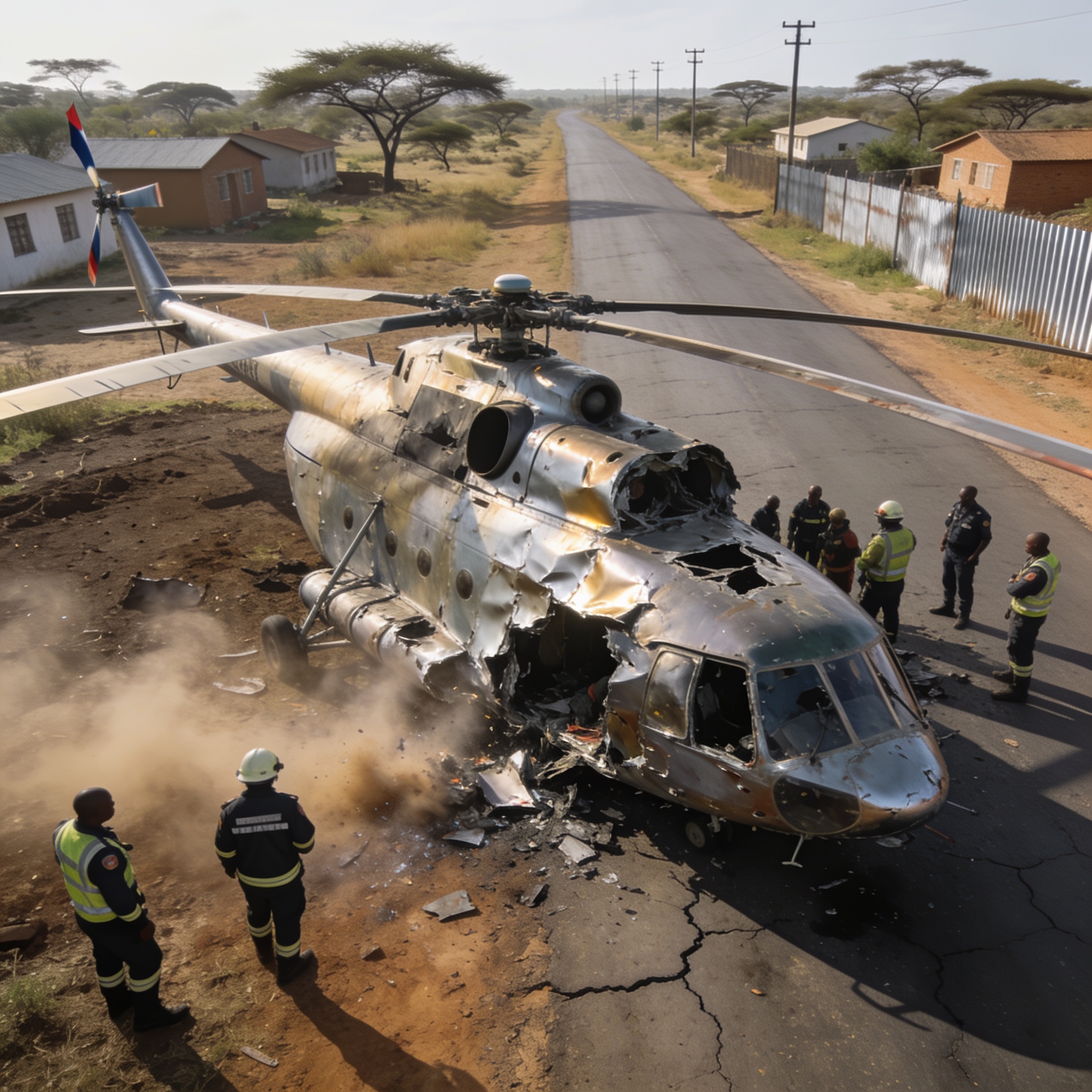
The death of Wicknell Chivayo, one of Zimbabwe’s most visible and divisive business figures, has triggered a national conversation that extends far beyond the tragedy of a helicopter crash in rural Marondera. Police confirmed that six people died when the aircraft went down on Wednesday evening, including Chivayo, his wife Lucy Muteke, two pilots and a security aide.
For many Zimbabweans, the accident marks the abrupt end of a public life built around flash wealth, high-profile gifts and close access to political circles. In the days before the crash, Chivayo had been a frequent topic on social media, in bars, churches and taxi ranks, where his spending and influence generated both admiration and anger. His death has therefore produced mixed emotional responses: grief for the victims, unease about the circumstances and fresh demands for transparency around state contracts and private wealth.
Kenyan President William Ruto offered condolences, describing Chivayo as a dear friend and recalling what he said was his warmth, energy and belief in Africa’s potential. Those remarks added an international dimension to the fallout, reflecting Chivayo’s long-standing ties with regional leaders and public figures.
But the most powerful reaction inside Zimbabwe has been more complicated. Some citizens have expressed sympathy for the families of all six occupants, while others have used the moment to revisit concerns about tender deals, unexplained fortune and the social consequences of economic exclusion. Chivayo’s business profile had been linked to controversial government contracts, including the long-stalled Gwanda Solar Project and disputes over procurement. None of that debate is solved by the crash, but it has reopened questions about accountability that many Zimbabweans believe were already urgent.
Authorities are investigating the cause of the accident. Until findings are published, speculation is likely to continue across digital platforms, where rumour and grief often intersect. The priority now is an independent, credible inquiry into the crash itself. The national priority, however, is broader: whether Zimbabwe can create a public environment in which wealth, power and political access can be examined without intimidation and without the illusion that private generosity can replace systemic reform.
As Marondera remains the focal point of the official investigation, the country is also being forced to confront what Chivayo’s rise and sudden fall represent: the dangers of celebrating wealth without demanding its source, and the need to protect public life from capture by opaque networks of money and influence.