

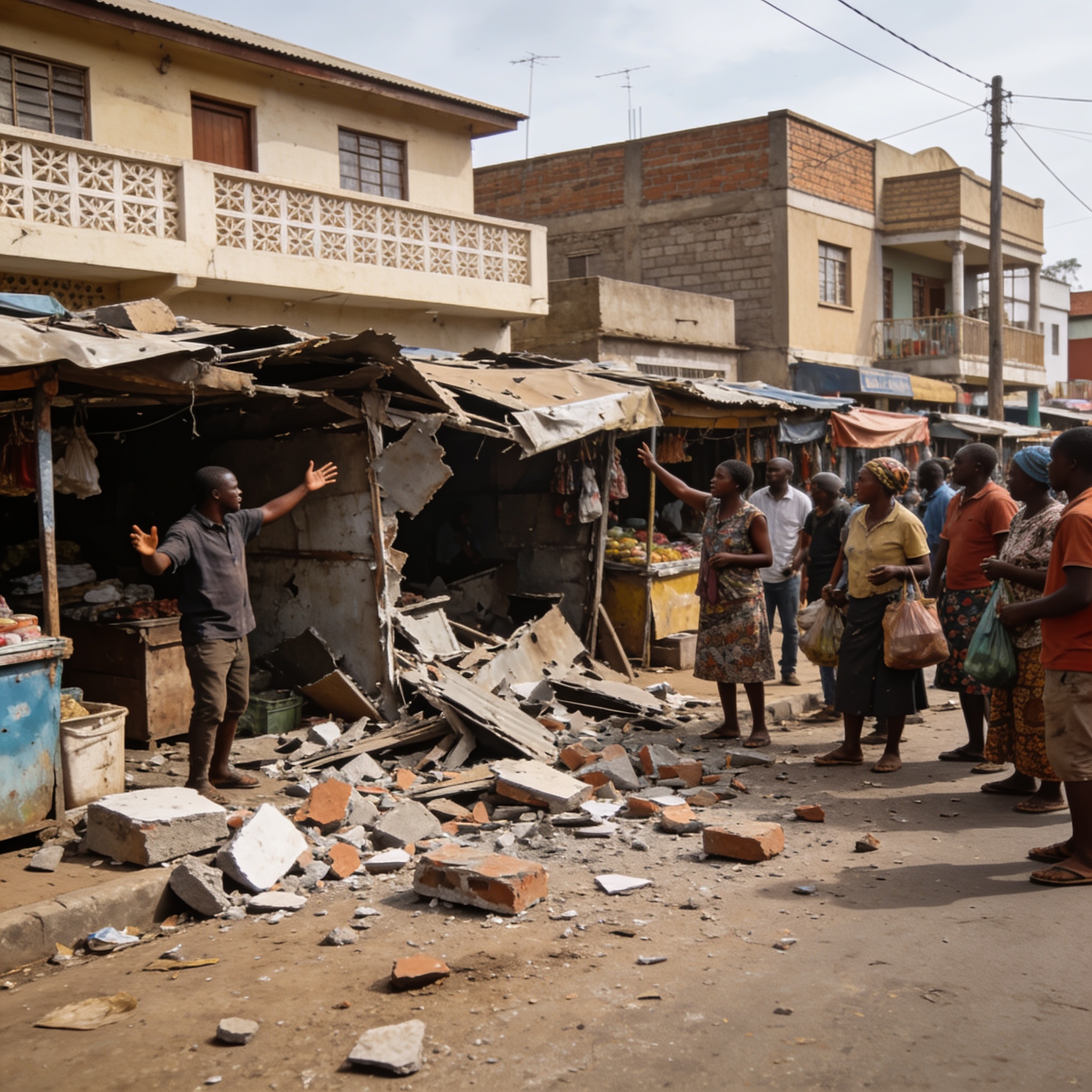
Harare and other urban centres are witnessing a wave of demolitions and street vendor evictions as authorities enforce a directive requiring informal traders to vacate undesignated areas by 9 September 2026. The crackdown has triggered a fierce national debate about political loyalty, poverty, and the abandonment of ordinary citizens.
For years, many informal settlements and vending stalls operated with unofficial blessing from political elites. Housing cooperatives linked to the ruling party allocated land under names like Joshua Nkomo, Leopold Takawira, and Simon Muzenda, lending nationalist legitimacy to otherwise illegal structures. Vendors were similarly allowed to occupy pavements, often paying daily fees to party officials and serving as a mobilisation base for political events.
Now, those same structures are being demolished, and vendors are being chased off the streets. ADM President Alice Nyamande condemned the measures, saying that government cannot clean up the streets by cleaning out the poor. She argued that evicting vendors without providing alternative trading spaces or economic support only deepens the suffering of vulnerable families.
Social justice advocate Tendai Ruben Mbofana offered a stinging assessment, warning that many poor Zimbabweans had surrendered their democratic rights for short-term political favours—symbolised by handouts like two pieces of chicken. He noted that many were mobilised to disrupt opposition rallies, drown out dissenting voices at hearings on Constitutional Amendment No. 3, and vote in exchange for protection from eviction. Once those in power no longer needed electoral validation, Mbofana said, the leverage of the poor evaporated, and bulldozers moved in.
The demolitions have left families without shelter and vendors without income, with no clear plan for resettlement or livelihoods. Critics argue that the state’s crackdown punishes poverty while ignoring the political networks that created informal settlements in the first place.
As the deadline looms, calls are growing for a more humane approach—one that recognises the role of past political tolerance, provides regularised housing and trading spaces, and holds leaders accountable for the promises made to their supporters.