
Beitbridge recorded 258 school dropouts in a single quarter, with health problems, teenage pregnancy and early marriage pushing children — most of them girls — out of the classroom, officials have revealed.
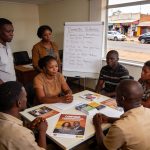
The figure covers only the second quarter of 2026, from April to June, and was presented during an ethical reporting media training workshop held in the border town on 10 and 11 September. The event was hosted by the International Organization for Migration (IOM), with experts from the National AIDS Council (NAC) and the Ministry of Health and Child Care sharing the data.
Girls account for nearly seven in every ten cases
Girls made up 68,7 percent of the recorded dropouts, against 31,3 percent for boys, according to the breakdown given at the workshop. The gap widens at secondary school level, where 118 girls left school — the single largest block of cases reported.
Among secondary school girls, 58 dropped out because of illness, 34 because of pregnancy and 26 because of marriage. A further 49 boys left secondary school as a result of illness.
At primary school level, 49 girls and 32 boys dropped out due to illness, while 11 girls left because of pregnancy and eight because of marriage.
Why children are leaving school
NAC district coordinator Edward Mlauzi told the workshop that three factors dominate the dropout pattern: illness, pregnancy and early marriage. He said the district needs stronger school health programmes, targeted support for adolescent girls and sustained community awareness campaigns to address teenage pregnancy and child marriage.
Health officials described the numbers as a wake-up call for a district where many learners are already navigating poverty and distance from schools.
Teen pregnancies remain stubbornly high
Beitbridge district medical officer Dr Lenos Samhere said about 23 out of every 1 000 teenagers in the district fall pregnant. The drivers, he explained, include poverty, family dynamics, religious and cultural practices and school dropouts themselves.
Dr Samhere also pointed to rising mental health concerns among young people and warned that adolescents remain highly susceptible to HIV, HPV and other sexually transmitted infections — conditions that can, in turn, force them out of class again.
What officials say must happen next
Experts at the workshop argued that keeping children in school requires action beyond the school gate. Their recommendations included strengthened school health services, follow-up support for learners who fall ill, and clear pathways for girls who become pregnant to return and complete their education.
They also called for community dialogues involving parents, traditional leaders and churches, saying cultural and religious practices that fuel child marriage must be addressed openly.
The Beitbridge figures underline how closely health and education outcomes are linked. Every dropout represents a learner who may struggle to re-enter the system, and officials warn that without urgent intervention the district risks losing a generation of young people — especially girls — to preventable circumstances.
For now, the data from a single quarter stands as one of the clearest signals yet that Zimbabwe’s fight to keep children in school will be won or lost at community level, in places like Beitbridge, where illness and poverty meet.