

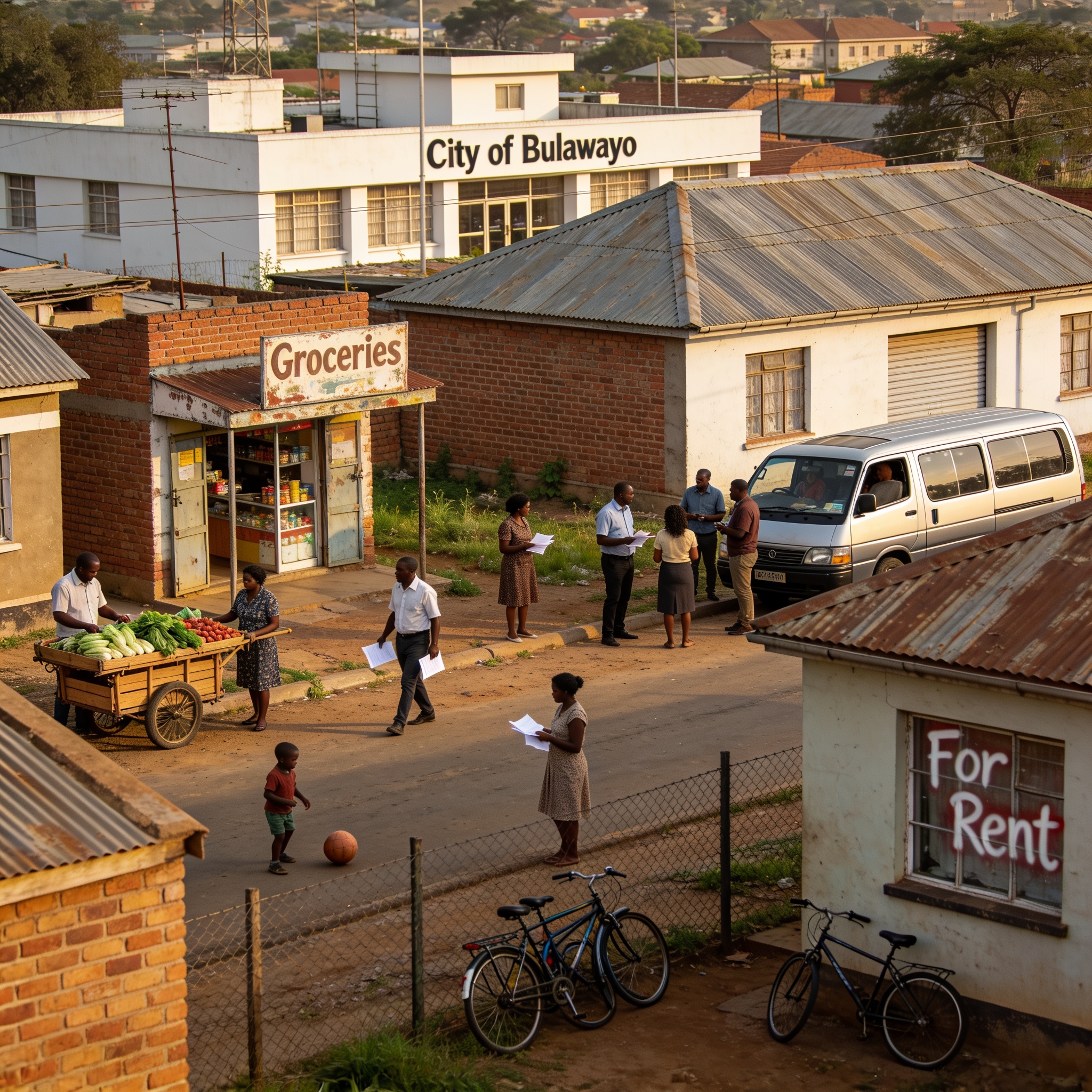
Bulawayo residents account for 71 percent of the Bulawayo City Council’s $2.7 billion debtors’ book, a burden the local authority says is choking its cash flow and slowing down everything from road works to water infrastructure repairs.
Council finance manager Ndumiso Nkiwane disclosed the breakdown during a mid-term review of the city’s 2026 budget, where he set out how much is owed by households, businesses and the State, and what the arrears mean for ratepayers across the city.
How the $2.7 billion is split
- Domestic consumers: $1.9 billion, or 71 percent of the total
- Industry and commerce: $586 million, or 22 percent
- Government departments: about $200 million, or 7 percent
Nkiwane said the position was captured as at June 30, and made clear that the heaviest concentration of unpaid bills sits with ordinary households in the city’s townships and suburbs rather than with corporates or government ministries.
Debtors and creditors move together
The finance chief explained that the money owed to council cannot be viewed in isolation, because the municipality is itself carrying a creditors’ book made up of suppliers and service providers who have already delivered goods and are still waiting to be paid.
He said firms supplying the council insist on being settled on time so they can keep operating, and when the money does not come in, the local authority is forced to go back to them and negotiate extended payment terms. He added that if the full $2.7 billion were available today, council would be in a far stronger position to buy the equipment and tools of trade it needs to deliver services at the level residents expect.
Revenue tracking below budget
Council had projected billing of $2 billion by the halfway point of its $4 billion annual budget, but only managed $1.8 billion. Nkiwane said forecasting now points to full-year revenue of between $3.8 billion and $3.9 billion, short of the $4 billion target.
By June 30, council had collected $1.3 billion from rates, rentals, clinic fees, water, sewer and refuse charges. Part of the billing shortfall has been blamed on water rationing, which suppresses consumption and, in turn, pulls down sewer charges that are linked to water use.
What the shortfall means on the ground
The squeeze is being felt most acutely on capital works. Nkiwane said road construction and water infrastructure projects depend on funds that are not flowing in, and that tenders already under way may have to be paced according to what council can finance. The city is also replacing pumps, work that residents rarely see but which is central to keeping water flowing through the network.
He pointed to visible progress along Lobengula Street and Herbert Chitepo Street, where rehabilitation work is under way to make key routes in the city centre passable again, and noted that newly acquired equipment has strengthened the council’s capacity to carry out works.
On service delivery complaints, Nkiwane said response times to sewer spillages and water-related faults should improve as council acquires the tools of trade needed to react faster.
Appeal to ratepayers
The council’s message to residents is straightforward: clearing outstanding bills would allow the local authority to divert far more resources into services. Nkiwane urged consumers to look closely at what they owe and consider settling their accounts so that water, refuse collection, clinics and roads can be funded at a better standard than the city is currently managing.
The mid-term review also serves as an accountability snapshot for a municipality that has faced repeated criticism over service quality, with the figures now making plain how closely the city’s ability to deliver is tied to the willingness of households and businesses to pay for what they consume.