
Zimbabwe’s daily news picture: mourning, public debate and policy shifts
On 4 October 2026, the national conversation in Zimbabwe was shaped by a fatal helicopter crash, a presidential visit, fresh scrutiny of public procurement, and several reminders that sport, diplomacy and economic planning continue even amid grief.
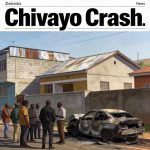
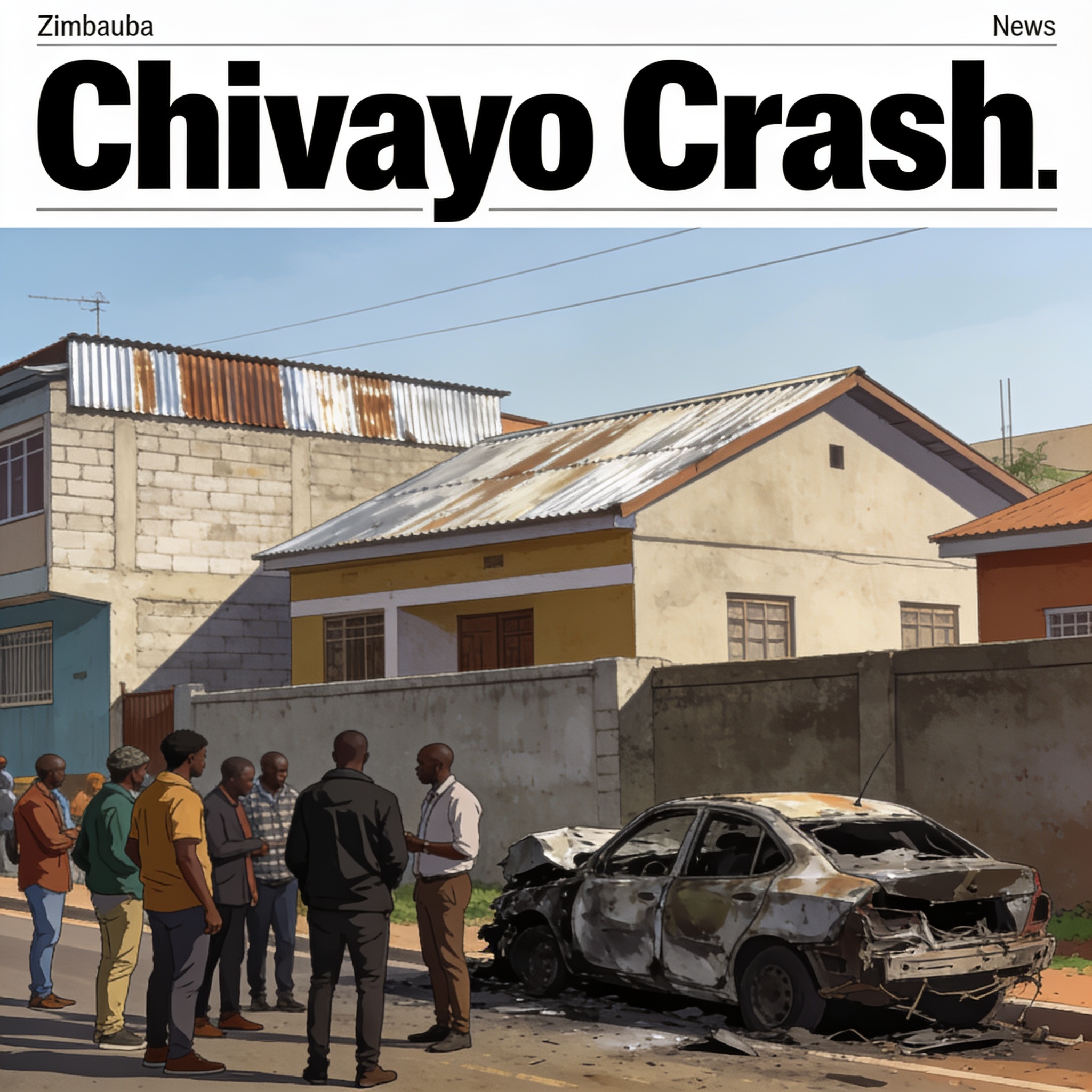
Chivayo crash dominates attention
Businessman Wicknell Chivayo, his wife Lucy, two pilots and a security aide died after a helicopter went down at Kudenga Farm near Marondera. Family spokesperson Herbert Chivayo said the scene was severe and that the remains had been so badly damaged that a public viewing would not be possible. Forensic examinations and DNA matching are reported to be under way as authorities seek to identify and match the bodies.
President Emmerson Mnangagwa visited the family at the Gletwin residence to pay his respects. The president declared Chivayo a provincial hero, a designation that can open the way for state support for funeral arrangements. The head of state also completed a road trip to Mutare for a university graduation after weather concerns made fixed-wing aircraft preferable, and then returned to the mourners in Harare.
Legacy question turns political
The death prompted sharply divided responses. Lawyer Fadzayi Mahere argued that the public should not treat Chivayo simply as a self-made entrepreneur. She pointed to statements made before Parliament concerning his company Intratek and accused him of functioning as a corrupt intermediary in public contracts, citing allegations that the Gwanda Solar Project did not deliver as promised.
Her remarks shifted attention from celebrity and philanthropy to procurement discipline, public accountability and emergency-service capacity outside Harare. She questioned why emergency support appeared delayed in areas outside the capital, a point that resonated in an economy where public infrastructure has long struggled with funding and implementation gaps.
Economy, COMESA and tourism remain in focus
Alongside the tragedy, Zimbabwe’s policy agenda continued to move. Calls for government to shield the economy from El Nino-related drought and Middle East shocks reflected concern over agriculture, foreign currency flows and trade costs. Business voices also said urban infrastructure financing is being undermined less by a shortage of instruments than by investor confidence issues.
Zimbabwe’s incoming role as chair of the Common Market for Eastern and Southern Africa is being viewed as a possible opening for Bulawayo industry, property development and regional construction investment. The Midlands province, meanwhile, is recording private hospitality expansion through hotels, lodges, conference centres and restaurants, strengthening its tourism base.
Community life and sport continue
Elsewhere, at least 800 athletes had registered for the Great Zimbabwe Marathon ahead of its October date, with entries closed for the 42km race and still open for shorter distances. The event, in its sixth year and certified by World Athletics, starts near Clipsham and finishes at the Great Zimbabwe Monuments, drawing participants from Masvingo, Harare, the Lowveld, Gweru, Bulawayo and Mutare.
Bulawayo’s sports and cultural calendar also continued, with the launch of a Highlanders half marathon tied to a club centenary celebration, renewed support for boxing, school prize-givings, music collaborations and public-health screening campaigns. These stories provided a counterweight to a day marked by loss, as Zimbabweans weighed grief against the need for public trust and economic progress.
International developments
Outside the domestic sphere, a planned United States delegation is expected to meet President Mnangagwa, suggesting a possible recalibration of diplomatic ties. In sport governance, Botswana withdrew from the joint 2028 Africa Cup of Nations bid involving Zimbabwe and South Africa after its government did not provide the financial guarantee needed for the proposal, leaving the remaining partners to adjust their submission.
What comes next
The October 4 news cycle shows a Zimbabwe that is grieving, debating and competing for attention. The Chivayo episode will likely remain a flashpoint for public finance and emergency-service questions, while COMESA, tourism, agriculture and sport signal areas where the country is still trying to build momentum.