

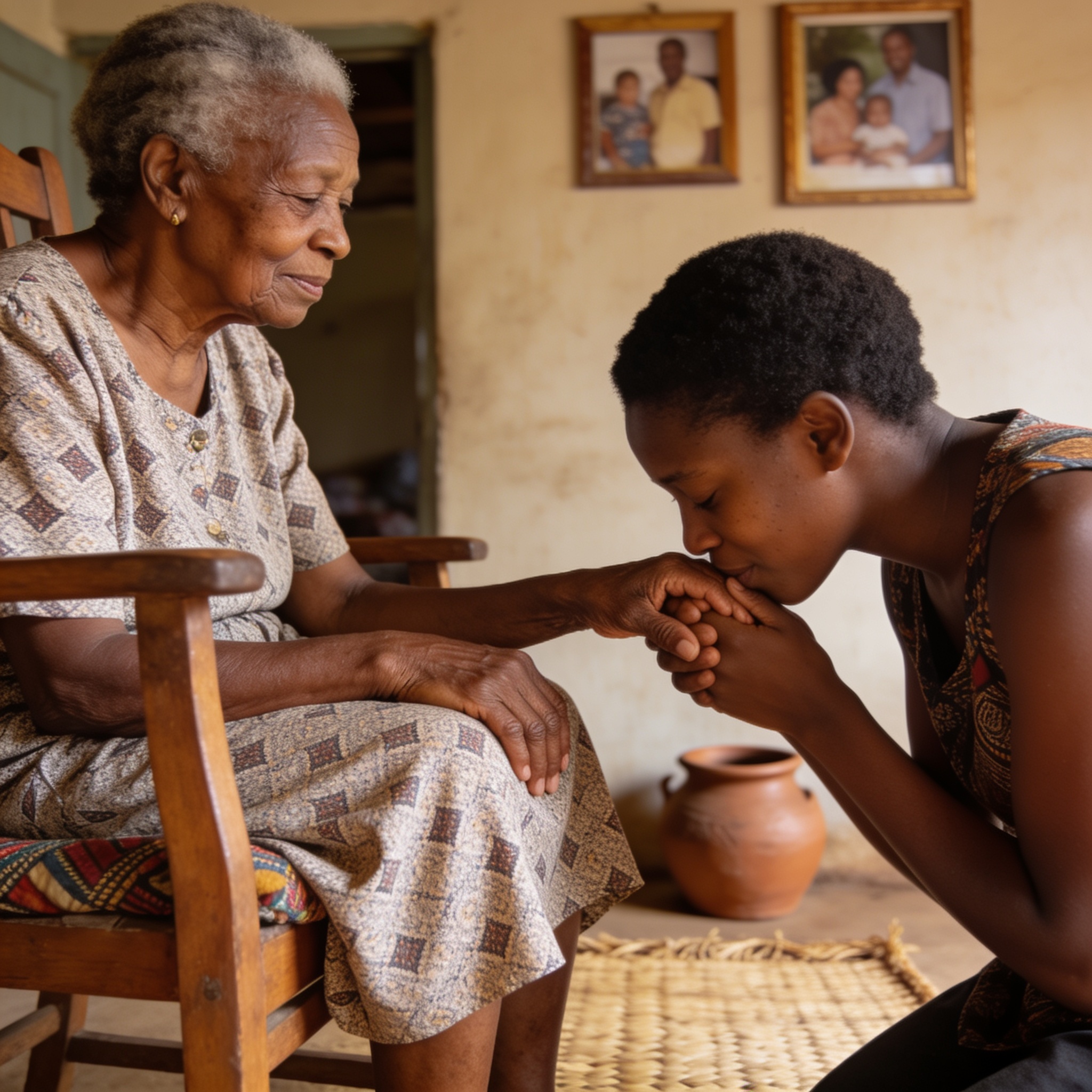
The moment arrives differently in every family. Sometimes it is a blank stare across a kitchen table. Sometimes it is a grandmother politely greeting her own grandson the way she might greet a stranger at a bus stop — attentive, courteous, and utterly uncomprehending.
That is the experience behind a phrase now heard in homes from Bulawayo to Bindura: gogo doesn’t know me anymore. It is spoken quietly, usually after a long pause, and it describes one of the most painful and least discussed health challenges facing Zimbabwean households today.
A condition hiding in plain sight
Dementia — most commonly Alzheimer’s disease — is a progressive decline in memory, reasoning and behaviour severe enough to disrupt daily life. In Zimbabwe it is frequently mistaken for ordinary ageing, spiritual affliction, or simple stubbornness. Families describe grandparents who repeat the same question dozens of times, who wander from home in the middle of the night, or who accuse loved ones of theft because a wallet has been moved.
Because the symptoms are absorbed into the language of old age, many cases are never assessed by a clinician. Health advocates note that Zimbabwe has no dedicated national dementia strategy, and that memory clinics, specialist geriatricians and diagnostic imaging are concentrated in a handful of urban centres. For a family in a rural ward, a formal diagnosis can mean a bus fare, a long queue and a clinician who has no clear pathway to offer.
The care falls on women, and on savings
The practical burden lands almost entirely on relatives. In most Zimbabwean homes, caregiving is unpaid work performed by daughters, daughters-in-law and granddaughters who cut back on jobs, farming or studies to stay home.
The costs accumulate quickly and quietly:
- Lost income when a caregiver reduces working hours or leaves employment;
- Medication and transport bills for repeated consultations that rarely produce a firm diagnosis;
- Home adaptations, from locking gates to removing cooking hazards;
- Collateral damage to the caregiver’s own health, including exhaustion, anxiety and depression.
Nurses and community health workers who encounter these households say the request they hear most often is not for a cure — there isn’t one — but for someone to explain what is happening and what to do next.
The hardest part is not the forgetting. It is carrying it alone, while everyone else insists there is nothing wrong.
Stigma keeps families silent
Where dementia is interpreted as witchcraft, a curse or a punishment, families hide the diagnosis to avoid gossip. That secrecy isolates caregivers precisely when they need practical help. It also delays care: relatives may pursue traditional or spiritual remedies for months before seeking medical attention, by which point the person living with dementia may have wandered into danger or lost the ability to manage medication.
Older people in Zimbabwe also carry a fragile legal and economic position. Many have no pension, no medical aid and no written will. When memory fails, property disputes and accusations of exploitation can tear a family apart — a pattern that lawyers and social workers say is rising alongside the country’s ageing population.
What actually helps
There is no cure, but there is a great deal that improves daily life. Clinicians and caregivers point to a few consistent measures:
- Structure and routine. Consistent meal times, familiar faces and simple, single-step instructions reduce agitation.
- Safety proofing. Secure gates, labels on doors, removal of trip hazards and supervision around fire and water.
- Respite for caregivers. Rotating duties among relatives — even a few hours a week — prevents burnout.
- Support groups. Meeting other families normalises the experience and spreads practical know-how.
- Early medical review. Some treatable conditions, including thyroid disorders, infections and vitamin deficiencies, can mimic dementia and should be ruled out.
Equally important, caregivers say, is learning not to argue with a failing memory. Correcting a grandmother who insists it is 1985 often causes distress without changing anything. Redirecting the conversation — asking about the past she still holds clearly — usually works better.
A conversation Zimbabwe has postponed
Zimbabwe’s population is ageing, slowly but unmistakably. That means more households will face the same bewildered gaze, and more families will be asked to provide skilled, round-the-clock care with no training and no relief.
Geriatric care, community-based mental health services and caregiver training are the kind of unglamorous investments that rarely make headlines. Yet for the family sitting with a grandmother who no longer recognises them, they are the difference between isolation and support.
The first step costs nothing, and it is one Zimbabwean families can take this week: say the word out loud. Name the condition. Ask the clinic. Tell a relative. A diagnosis does not return a lost memory — but it can end the loneliness of pretending nothing is wrong.