

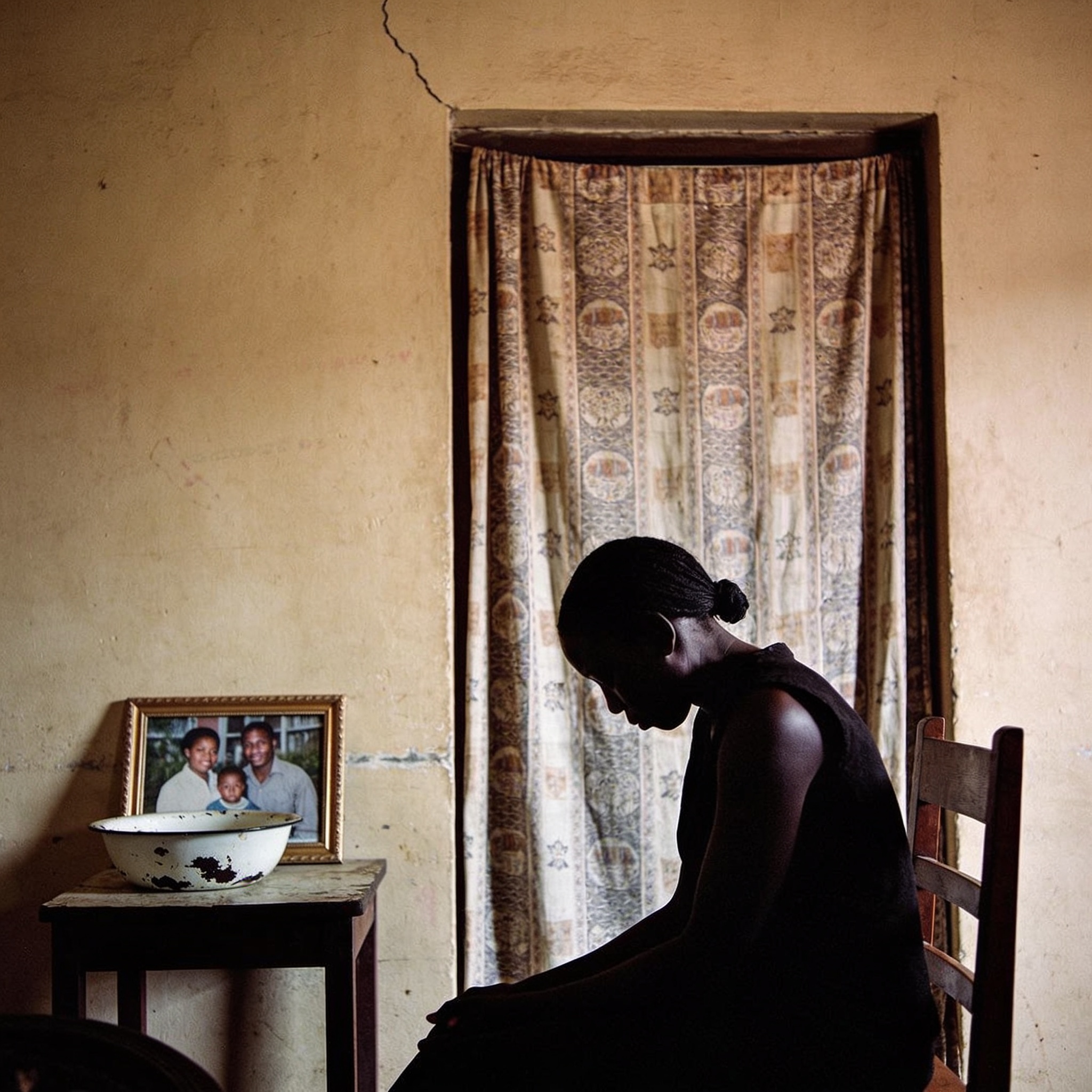
A Zimbabwean organisation that works to empower the girl child has sounded the alarm over what it describes as a femicide crisis, revealing that at least 13 women and children lost their lives in domestic settings in just four months.
In a statement issued on Thursday, 24 September 2026, Shamwari Yemwanasikana said the deaths were recorded between June and September 2026, and that the pattern of killings can no longer be dismissed as ordinary domestic disputes.
Homes no longer safe for women and girls
The organisation listed Chikanga, Nkulumane, Southlea Park, Shamva, Hatfield, Glen View and Darwendale among the communities where women and children were killed, and noted that the crisis has also reached Zimbabwean families living abroad, with one case recorded in the United Kingdom.
Among those who died were a pregnant woman, a serving police officer, a mother and her two daughters, and two young girls aged five and two.
According to the organisation, what is unfolding is not a series of isolated quarrels but femicide. Minor disagreements over childcare and other family matters, it said, are escalating into brutal attacks involving hammers, axes, firearms and fire.
“Homes are no longer safe for women and girls,” the statement warned, adding that the country must confront the reality that intimate partners are among the most dangerous people in the lives of many women.
The children left behind
Beyond the deaths themselves, Shamwari Yemwanasikana said its deepest concern is now child protection. Many children survived the attacks that killed their mothers, and several of them witnessed the killings.
Those children, the organisation said, are now orphaned, traumatised and exposed to secondary abuse, including neglect, stigma, exploitation and being moved between relatives without proper care arrangements.
It argued that a girl who grows up watching her mother being killed by her father has her own future destroyed, making the crisis as much about the next generation as it is about the women who die.
Call for a national emergency declaration
The organisation has called on the Zimbabwe Gender Commission to intervene decisively and use its constitutional mandate to escalate the matter to the highest offices in the country.
Specifically, it wants the commission to take the issue to the Office of the President and Cabinet, Parliament and the Ministry of Women Affairs, so that intimate partner murders are formally declared a national emergency.
A national emergency declaration, the organisation argues, would unlock a coordinated response rather than leaving each killing to be treated as a separate criminal case.
It also urged the Department of Social Welfare, the Victim Friendly Unit of the Zimbabwe Republic Police and their partners to move urgently to provide psychosocial support, safe shelter and long-term care plans for children who survive such attacks.
Such measures, it said, are needed to shield survivors from further harm and to guarantee their right to life, education and healing.
A pattern that keeps repeating
The appeal comes at a time when violent deaths linked to domestic disputes continue to dominate the news. In recent days alone, police in Bulawayo have investigated separate stabbing incidents in which two men were killed, while a 61-year-old man in the Midlands died after being struck with a hammer during a domestic altercation — a reminder that violence inside the home cuts across communities and, at times, genders.
Campaigners say the difference with intimate partner killings is the pattern: the victims are overwhelmingly women, the attacks often follow a history of disputes, and children are frequently left behind as collateral damage.
Shamwari Yemwanasikana said it will continue pressing for stronger enforcement of existing laws and for the resources needed to protect survivors, warning that without decisive intervention the deaths recorded between June and September will not be the last.