

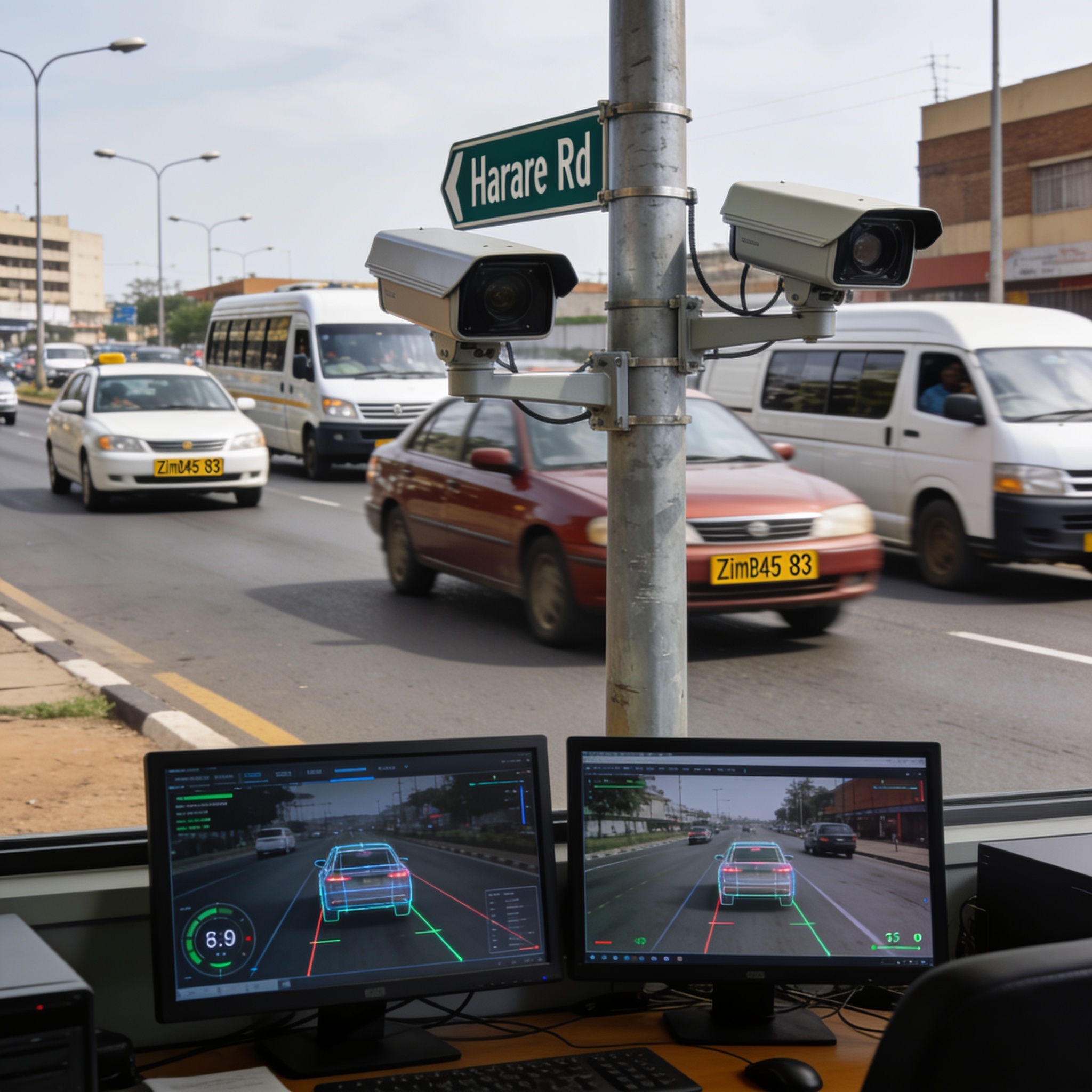
Zimbabwe’s shift to automated traffic policing has produced a staggering caseload, with more than four million violations recorded by the country’s artificial-intelligence-powered electronic traffic management system since it went live. Authorities have now moved from capturing offences to chasing the people behind them, and payments are beginning to come through.
The sheer volume of cases captured on camera has turned the spotlight on Zimbabwe’s driving culture, exposing how routinely motorists flout road rules when they believe no officer is watching. The data shows the opposite: the cameras have been watching all along.
From detection to collection
The enforcement model marks a decisive break from the old approach of roadside stops and handwritten tickets. Instead of relying on officers stationed at checkpoints who can only monitor one stretch of road at a time, the electronic system watches multiple routes continuously, flagging offending vehicles and recording the evidence automatically.
That evidence is now feeding directly into the pursuit of offenders. Motorists caught on camera are being traced, notified and required to settle their penalties, with the first wave of payments already being processed. For drivers who assumed a camera flash carried no consequence, the arrival of a fine is proving otherwise.
Why the crackdown matters
Zimbabwe’s roads have long carried a heavy human cost, and enforcement gaps have been blamed for allowing dangerous habits to harden into routine. The automated system is intended to close those gaps by removing the element of chance that reckless drivers have relied on for years.
Key takeaways from the rollout so far:
- More than four million offences have been captured by the AI-powered network.
- Authorities have moved into the enforcement phase, pursuing identified offenders rather than simply stockpiling footage.
- Fines are now being paid, signalling that the notices are reaching motorists.
- The system operates around the clock, unlike physical checkpoints.
The scale of the numbers also offers a blunt diagnosis. If millions of violations can be recorded in a relatively short period, the problem was never a handful of rogue drivers but a broad tolerance of rule-breaking that enforcement alone cannot fix.
What it means for motorists
For ordinary drivers, the practical message is simple: the margin for error has narrowed. An offence committed in the belief that no one saw it can now be reconstructed later, with the vehicle’s details attached.
That has implications beyond fines. Repeat offenders could face escalating consequences as the database builds a picture of individual driving behaviour over time, and insurers and employers may in future take an interest in a record that no longer depends on an officer’s memory or a roadside argument.
The road ahead
The success of the programme will ultimately be judged not by how many violations are logged but by whether crash figures fall. Enforcement can change behaviour quickly when drivers believe detection is certain, but sustaining that belief requires the system to keep working, the notices to keep arriving and the penalties to keep being collected.
For now, the cameras have delivered their verdict on Zimbabwe’s roads. The question is whether the millions of motorists on the wrong side of the lens will change how they drive, or simply learn to pay.