

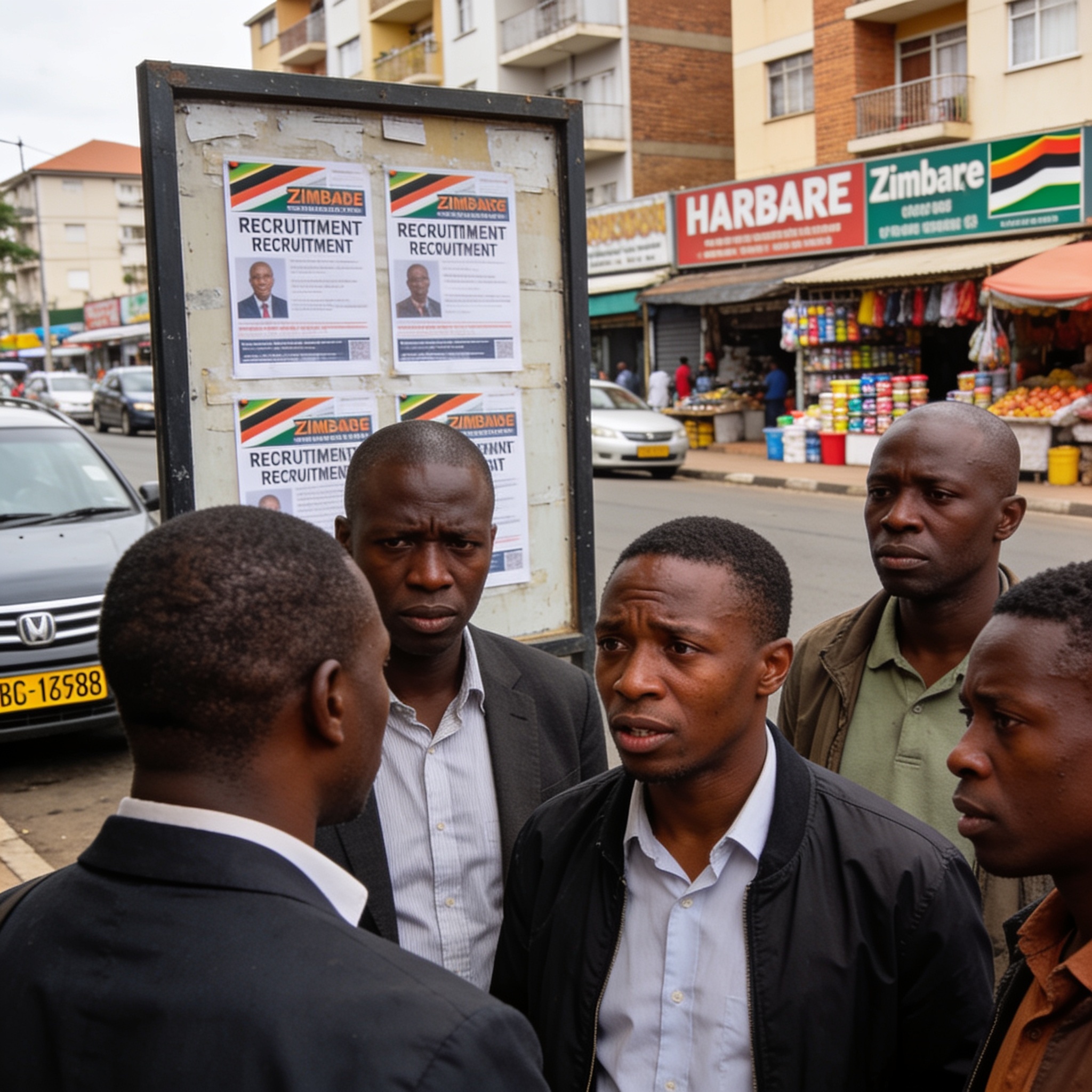
Pressure is mounting on Russia to stop drawing foreign nationals into its military ranks, with Zimbabwe caught squarely in the spotlight as two separate international interventions put the recruitment of its citizens under scrutiny.
Amnesty demands an end to abusive recruitment
In a report titled Russia: Trafficking of Foreign Nationals to Fight in Ukraine, released on 10 September 2026, Amnesty International said Moscow should immediately halt the recruitment of foreigners and investigate allegations of trafficking, deception and coercion.
The human rights organisation described recruitment driven by misleading job offers, exploitation of economic or immigration vulnerability, and, in some cases, outright fraud. It said thousands of people from low-income countries, as well as migrants and refugees already living in Russia, have been pulled into the system through these practices.
Some recruits were allegedly promised civilian work, generous pay, legal status or Russian citizenship, only to be presented with military contracts and sent towards the front line. Amnesty also flagged the treatment of foreigners in training centres and on the battlefield as a serious concern.
Among its demands, the organisation called on Russian authorities to suspend all current and future recruitment of foreign nationals, in any capacity, until minimum safeguards against human trafficking are genuinely in place. It wants the practice of using detention, deportation or other penalties as leverage over migrants to be stopped outright, and it is pressing for investigations that reach recruiters, intermediaries, migration officials and commanding officers.
The report also calls for recruits who want out to be released and allowed to leave front-line areas without reprisals, and for compensation covering unpaid wages, medical costs and the losses suffered by families of those killed or missing.
Why Zimbabwe is directly affected
The findings echo reporting by local outlet CITE, which previously documented recruitment networks that approached Zimbabweans through WhatsApp, Facebook and Telegram. Prospective recruits were reportedly offered civilian jobs such as firefighting and truck driving, with promises of attractive salaries and a route out of unemployment.
Several of those who travelled ended up confronting military contracts instead. The reporting has also highlighted the anguish of families who lost contact with relatives, struggled to confirm whether they were alive, wounded, captured or dead, and faced an uphill battle to bring home the remains of loved ones.
Not every case involves deception. Investigations have established that some Zimbabweans joined the Russian armed forces knowingly and willingly. But the volume of complaints about broken promises has been enough to draw sustained international attention.
Zelensky names Zimbabwe at the United Nations
The issue entered the global diplomatic arena on 23 September 2026, when Ukrainian President Volodymyr Zelensky addressed the 81st United Nations General Assembly in New York.
Zelensky said Russia was using the citizens of 47 countries in its war effort and listed Zimbabwe alongside India, Nepal, Ghana, Cuba, Yemen, Kenya, Belarus, Sudan, South Africa and Tajikistan, among others. He urged the governments of those states to look after their people, accusing Moscow of relying on financial inducements, deception and trafficking networks to fill its ranks.
His remarks amplified a concern that has been building for months. The United Nations Independent International Commission of Inquiry on Ukraine has confirmed it is examining how foreigners from several countries were allegedly lured to Russia with the promise of civilian employment before being pressed into signing contracts with the Ministry of Defence.
The commission noted that many recruits did not understand Russian or the terms of the documents they signed, and that a significant number died soon after reaching the front, were reported missing, were injured, or were taken prisoner by Ukrainian forces. It said families were often left thousands of kilometres away, trying to piece together what had happened while recruitment agents allegedly blocked their calls.
What Harare is being asked to do
Amnesty’s recommendations extend well beyond Russia. Countries whose nationals are at risk are being urged to issue clear public warnings about fraudulent or deceptive recruitment schemes linked to jobs in Russia or third countries, and to tighten oversight of recruitment agencies, intermediaries and online platforms operating on their soil.
Governments are also being asked to provide consular protection for nationals who are detained, missing or held as prisoners of war, to engage Russian and Ukrainian authorities on voluntary return and reintegration, and to prosecute individuals and networks involved in trafficking or coercive recruitment.
Crucially, Amnesty argues that people recruited through deception, coercion or the abuse of vulnerability should be treated as potential victims of trafficking rather than willing participants in a foreign war.
Ukraine, for its part, is being urged to ensure that foreign prisoners of war are treated in line with international humanitarian and human rights law, to screen them as possible trafficking victims, to allow contact with families and consular officials, and to explore lawful routes for repatriation.
The wider picture
The UN commission is expected to present its full findings to the General Assembly in October, a move likely to keep the recruitment question on the international agenda well into next year.
For Zimbabwe, the stakes are practical as much as diplomatic. The cases documented so far have exposed gaps in how recruitment offers are monitored, how quickly families receive information, and how effectively nationals abroad can be protected — questions that will not disappear once the headlines fade.