
The nation stands at a pivotal moment as the Fourth Session of the 10th Parliament opens on this day. President Emmerson Mnangagwa’s delivery of the 2026 State of the Nation Address is poised to outline critical priorities that will shape Zimbabwe’s trajectory towards economic stabilization and social development.
The Agricultural Imperative: Preparing for Super El Niño
With the looming threat of a Super El Niño, agricultural resilience takes center stage. The government has set November 1 as the commencement date for a nationwide cloud-seeding program, a strategic move designed to boost precipitation chances for the 2026/2027 rainfall season. This initiative is crucial for a sector that not only feeds the nation but also serves as a cornerstone of our economy.
The urgency to adopt climate-smart agriculture was highlighted in recent engagements, particularly for farmers in Bindura. This shift towards resilient farming practices is vital for sustaining food security and livelihoods against climatic adversities.
Infrastructure and the Blue Economy
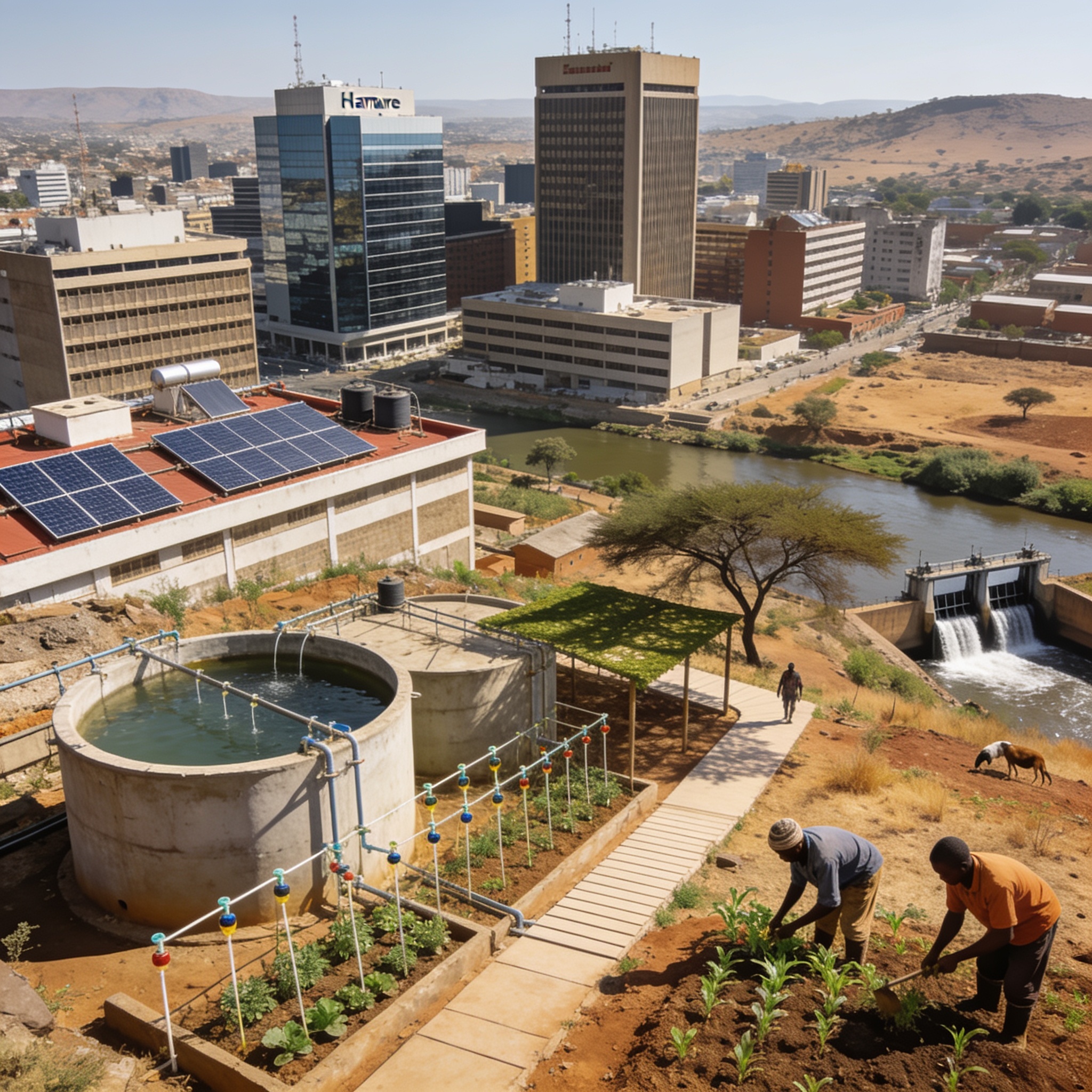
In a bid to maximize natural resource potential, Zimbabwe is transforming standalone dams into comprehensive economic hubs. This strategy involves integrating irrigation, fisheries, electricity generation, and water supply, thereby unlocking new investment opportunities. A significant example is the aquaculture initiative, where a fish hub targeting one million fingerlings is gaining international attention, with the European Union praising its contribution to sustainable development.
Simultaneously, the National Railways of Zimbabwe (NRZ) is undertaking extensive efforts to revive its freight system. With an Annual General Meeting held in Bulawayo to clear procedural backlogs, the focus remains on equipment renewal and restoring operational capacity, which is essential for regional trade competitiveness.
Healthcare and Human Capital Development
Human capital development remains a priority, as illustrated by the recent donation of over 100,000 textbooks to schools in Buhera. Such interventions are critical for strengthening the learning environment and ensuring that every child has access to adequate educational materials.
The health sector continues to show resilience and progress. The government is actively supporting the National AIDS Council’s efforts to sustain HIV response gains, including a recent consignment of 23,000 doses of a new HIV prevention drug. This commitment to public health underscores the importance of safeguarding the nation’s well-being against persistent health threats.
Strengthening Governance and Security
Governance reforms and the rule of law are being reinforced. The legislative agenda is expected to address the aftermath of the Constitution Amendment No. 3 Bill, focusing on aligning existing laws to foster a more conducive environment for national development.
Security measures have also shown effectiveness with recent arrests of robbery gangs in Beitbridge and Chegutu. The government remains committed to restoring law and order, ensuring that the safety of citizens and businesses is paramount. The ongoing ‘Operation Chenesa’ exemplifies this, as authorities work to remove illegal businesses and vendors from undesignated areas in Manicaland Province.
Embracing Global Economic Opportunities
Amidst these domestic efforts, Zimbabwe is looking outwards to secure new economic avenues. The appointment of FINSEC as the national coordinator for the US$1.6 billion Dangote Refinery IPO signifies a step towards deeper financial market integration. Additionally, the expansion of trade opportunities with the United Arab Emirates is gaining traction, with local businesses being encouraged to tap into this market for agricultural and manufactured products.
The 2026 SONA will undoubtedly provide a platform to address these multifaceted issues, setting a course towards sustainable development, global integration, and improved livelihoods for all Zimbabweans.